Safety and Australian regulation
Prescription-only medicines and public information
Why Schedule 4 cosmetic medicines sit behind a consultation, what a public website may explain, and how Anti Wrinkle Brisbane draws the line on this domain.
By the Anti Wrinkle Brisbane editors · Published 9 September 2025 · Updated 25 September 2026
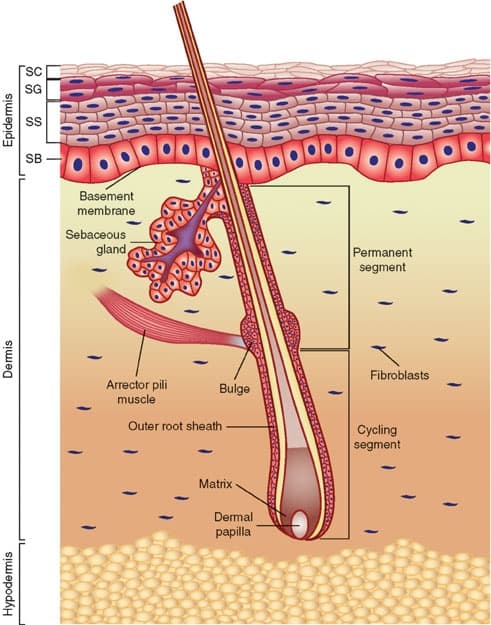
Anatomy of the skin by Wong, D.J. and Chang, H.Y.. Licensed under CC BY 3.0. Source: Wikimedia Commons file page. Also listed on the image credits page.

Australian consumers do not get to shop Schedule 4 medicines like moisturisers. That is the entire point of the schedule. Cosmetic use does not create a special marketing exemption.
The consultation is the gate
A registered practitioner takes a history, examines, and decides. They may prescribe. They may not. What happens in a cosmetic consultation is the public description of that gate.
Public pages should not do the practitioner’s job
A website that lists products, nicknames, hashtags and prices is doing promotion. Our version of the topic is TGA rules on cosmetic injection advertising.
What we will explain
That some wrinkle and volume treatments involve prescription-only medicines. That those medicines have risks. That advertising them to the public is restricted. That everyday care and non-scheduled skin treatments still exist in skin treatments and everyday skin care.
What we will not explain as a catalogue
Brand names, “equivalent to” lists, unit menus, or “ask for this at reception”. If a guest pitch includes those, it fails write for us.
Compounding does not open a billboard
The TGA has also warned that compounded scheduled injectables are not a public-advertising loophole. If a page says “custom mix” as a teaser, treat it as a flag.
Readers still deserve anatomy
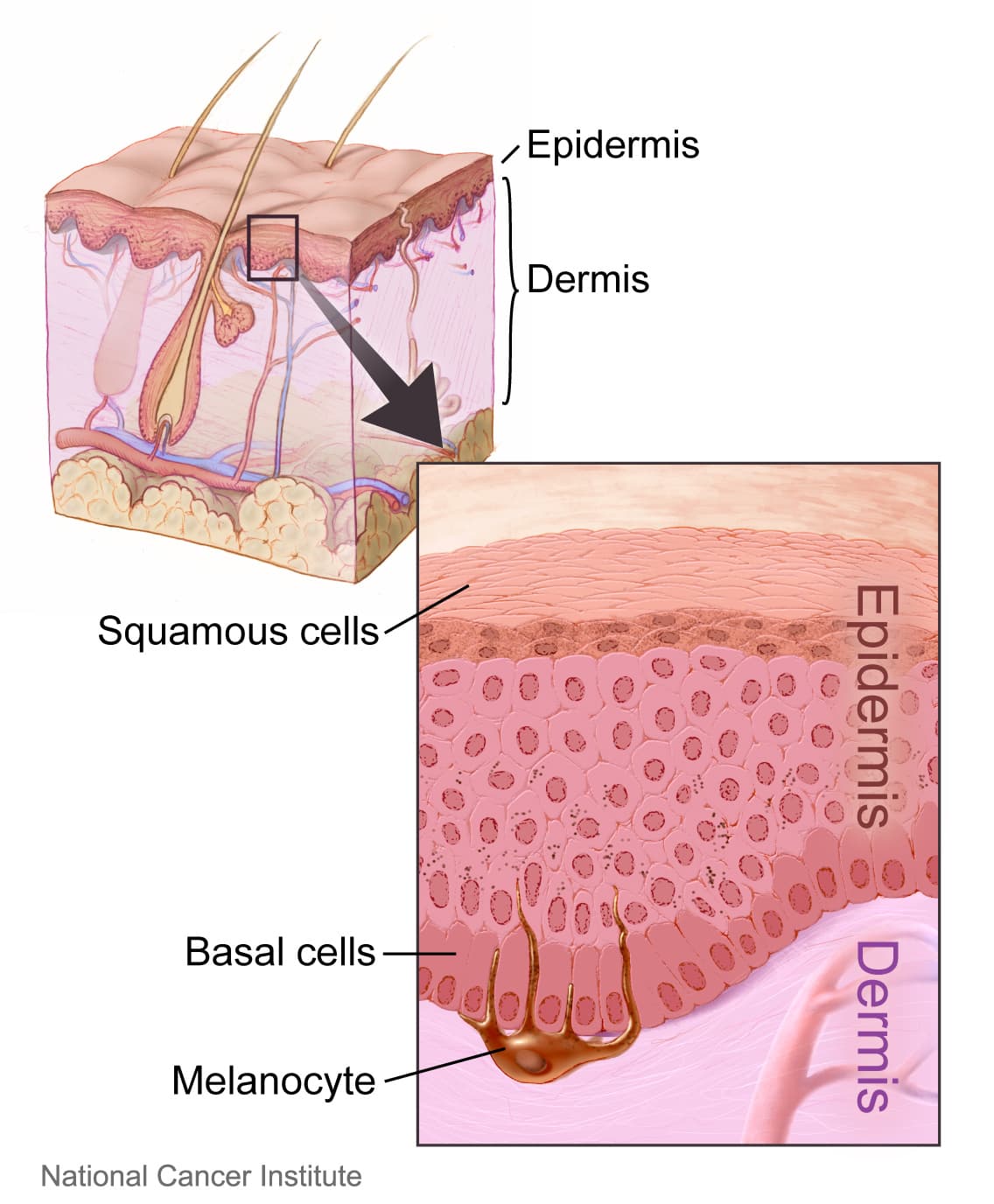
Refusing to advertise a medicine is not refusing to teach dynamic and static lines or collagen. Education without a trolley is the job of this domain now.
Questions readers ask
What does Schedule 4 mean in one sentence?
It is a Poisons Standard category for medicines that generally require a prescription from an authorised practitioner. Public advertising of those goods is tightly limited.
Can a journalist name a medicine in a news story?
News reporting and advertising are different legal ideas, but this site is not a newsroom covering a product launch. We choose the conservative educational line: class, process, regulation.
Why inherit a domain that includes “antiwrinkle”?
Because that was the historic site. We explain the history on the about page and we do not use the hostname as a product ad.
Is a consultation an advertisement for a medicine?
A genuine assessment that may end in no prescription is a health service. A landing page that exists only to funnel people to a scheduled product is the fact pattern the TGA is worried about.
Image credit for this article is also collected on the credits page. Corrections go through the contact form.
Keep reading

Reporting concerns about a practitioner
Where Australians can take a concern about cosmetic care or advertising — the provider first, AHPRA, the TGA, and health complaints bodies — without turning this page into a case file.

AHPRA testimonials and higher-risk procedures
What counts as a testimonial under Australian health advertising rules, why higher-risk cosmetic procedures are singled out, and how this site stays on the safe side of the line.
TGA rules on cosmetic injection advertising
A reader’s guide to why Australian law restricts public advertising of many cosmetic injectable products, including everyday nicknames and price lists.