Glycation, sugar and skin
What glycation does to collagen, how the old Anti Wrinkle Brisbane lifestyle post fits modern evidence, and why this is not a detox story.
By the Anti Wrinkle Brisbane editors · Published 6 May 2025 · Updated 12 June 2026
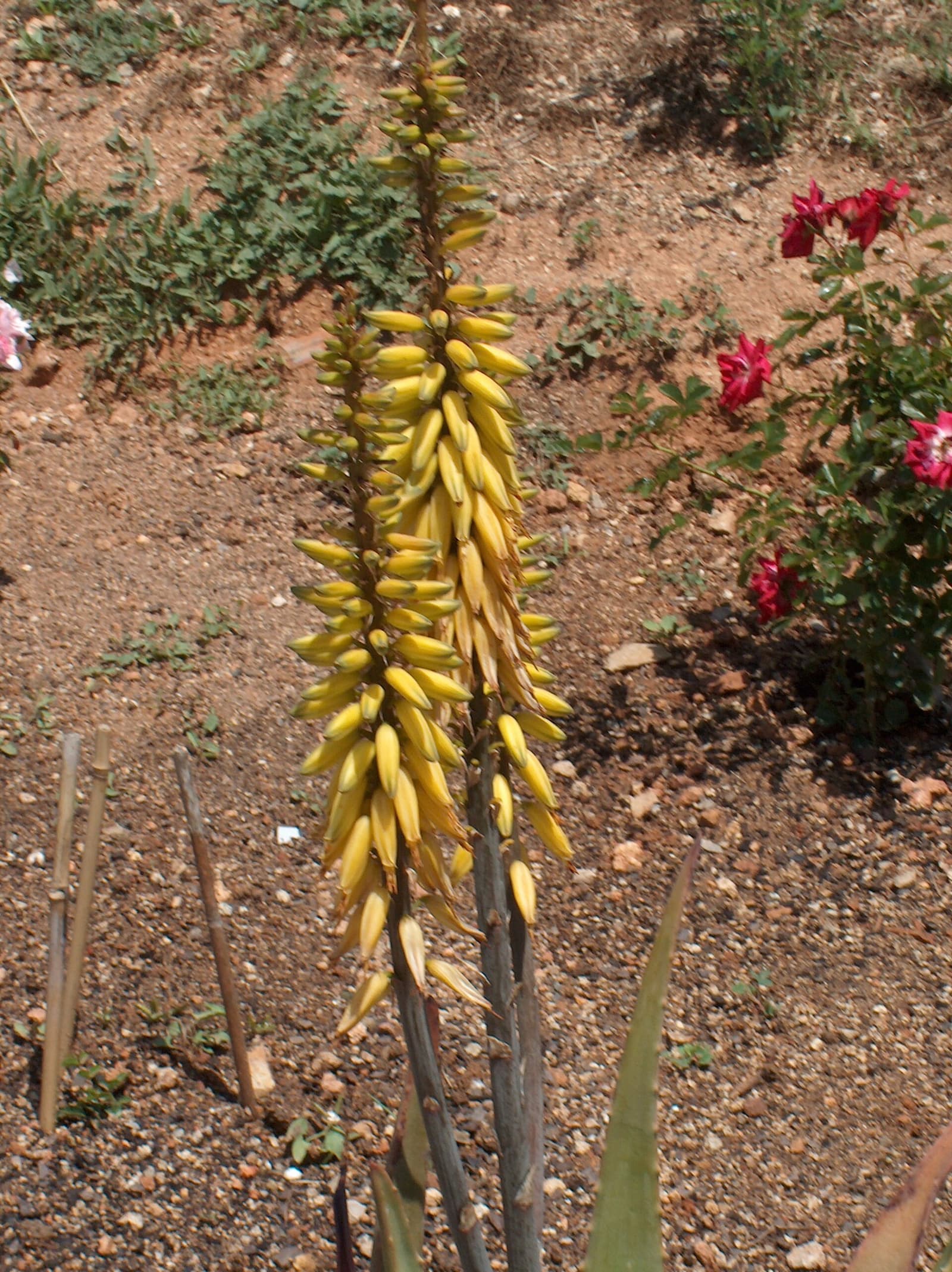
Aloe vera by Valérie and Agnès. Licensed under CC BY-SA 3.0. Source: Wikimedia Commons file page. Also listed on the image credits page.

In October 2012, antiwrinklebrisbane.com.au published “5 Tips for Natural Skin Care”. Tip four said excess sugar contributes to premature ageing through glycation. That sentence was more careful than much of the internet that followed.
We keep the chemistry and drop the miracle ending.
What glycation is
Glycation is a non-enzymatic reaction in which sugars attach to proteins. The products, often called AGEs, accumulate in long-lived proteins such as dermal collagen. Stiffer, less organised collagen changes how skin drapes.
This is one pathway among many. It does not outrank ultraviolet light in a Brisbane life. Read both this page and Brisbane sun, humidity and skin ageing.
What the 2012 advice got right
The old post suggested a gradual cut in added sugar — half the teaspoon in tea, then another change the next week. That is ordinary nutrition counselling. It is not a peel. It is not an injectable.
We extend the everyday list in natural skin-care habits that still hold up.
What it did not prove
No dietary tweak guarantees a wrinkle map. People vary. Genetics, sun and smoking still dominate many faces. If a page tells you that quitting dessert will “erase” nasolabial folds, it is writing fiction.
Collagen cross-links are not a weekend project
Collagen turns over slowly. That is why crash diets and 28-day challenges make poor skin science. The old site also ran a “4 week skin fit challenge”; treat timed challenges as engagement, not physiology.
For protein structure, see collagen, elastin and the skin barrier.
Where clinic talk should stay
If glycation language appears in a brochure next to a product you cannot legally see advertised, pause. Public pages that promote prescription-only cosmetic medicines break TGA rules. Background: TGA rules on cosmetic injection advertising.
Practical reading, not a meal plan
Eat in a pattern your usual clinician would recognise as reasonable. Protect skin from UV. If you want a procedure conversation, keep it inside consultations. This page will not score your pantry.
Questions readers ask
Did the old site really write about sugar and wrinkles?
Yes. A 2012 post, “5 Tips for Natural Skin Care”, described glycation and advanced glycation end-products. The chemistry is real. The leap from one less teaspoon of sugar to a guaranteed smoother face is not.
Should I cut out all fruit?
No. Whole fruit comes with fibre and water. The bigger dietary pattern is frequent added sugars and ultra-processed snacks. This is nutrition context, not a clinic protocol.
Do “anti-glycation” creams work?
Most topical claims in that niche outrun the human data. A cream cannot cancel a high-sugar diet. Be sceptical of any product that promises to reverse AGEs in a week.
Is this medical advice for diabetes?
No. If you live with diabetes or another metabolic condition, talk to your usual doctor or credentialled diabetes educator. This page is about general skin science.
Image credit for this article is also collected on the credits page. Corrections go through the contact form.
Keep reading
Considering a cosmetic facial treatment
A pause page for people who have started searching Brisbane clinics — motives, timing, health history and the difference between curiosity and a booking.
Brisbane sun, humidity and skin ageing
Why South-East Queensland’s ultraviolet index and humid summers change facial ageing, and which everyday protections are worth discussing before any clinic visit.
Collagen, elastin and the skin barrier
What collagen, elastin and the stratum corneum actually do, how Queensland weather stresses them, and which claims on a moisturiser label outrun the evidence.