Consultations and choosing a practitioner
Informed consent for higher-risk procedures
What informed consent should contain for higher-risk non-surgical cosmetic procedures in Australia, including risks, alternatives and the right to stop.
By the Anti Wrinkle Brisbane editors · Published 8 July 2025 · Updated 4 September 2026
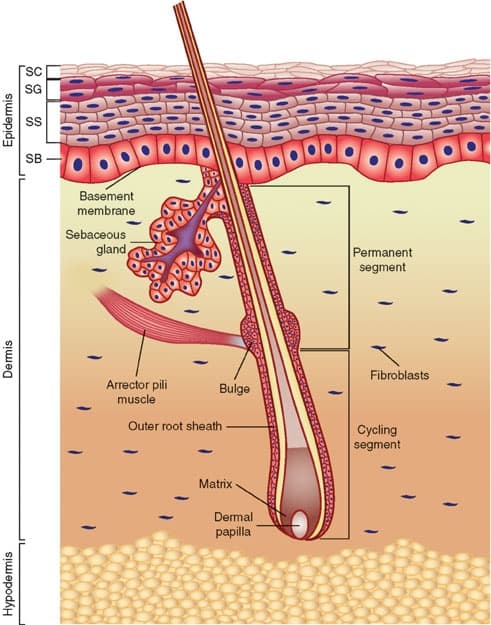
Anatomy of the skin by Wong, D.J. and Chang, H.Y.. Licensed under CC BY 3.0. Source: Wikimedia Commons file page. Also listed on the image credits page.

Informed consent is the slow part of a higher-risk cosmetic appointment. AHPRA’s cosmetic procedure guidance exists because appearance-changing work is easy to rush and hard to undo.
This is not legal advice. It is a reader’s checklist for the consultations hub.
Information you should hear in ordinary words
What is proposed, why it is proposed for you, what might go wrong, how common those events are where that is known, what the recovery window looks like, and what happens if you say no. Jargon should be translated on request.
If the proposal involves a prescription-only medicine, the discussion happens with a registered prescriber. This website will not rehearse the product list. See prescription-only medicines and public information.
Risks are not scare tactics
Bruising, swelling, infection, unsatisfactory appearance change, and rare serious events belong in the room. Naming them is not “being negative”. Hiding them is.
Aftercare pages on this site — starting with bruising, swelling and when to seek help — are general. Your written sheet from the clinic is the one you follow.
Alternatives include waiting
A cooling-off period is an alternative. So is a second opinion. So is sunscreen and time. Cooling-off periods and second opinions exists so that “book now” is not the only sentence in the air.
Money and consent should not be tangled
Deposits and packages can pressure people. Ask what happens if you decline after hearing the risks. A consent form is not a gift voucher.
Records and your copy
Ask for written information to take home. Read it off the premises. If the form includes a testimonial release or a social-media waiver, treat that as a separate decision. We would refuse it.
When consent is not possible
Intoxication, haste, and deciding for someone else are red flags. If you are booking for a friend as a surprise, stop. Consent is personal.
For the broader legal climate, keep AHPRA testimonials and higher-risk procedures open in another tab.
Questions readers ask
Is a tick box on a tablet enough?
A signature without time to read, ask and consider is a weak process. Consent is a conversation plus a record, not a stylus gesture on the way to the parking meter.
Do I have to consent to photographs for social media?
No. Clinical photographs for your file are different from marketing photographs. Refuse marketing use. This site does not publish patient images.
What are “alternatives” in this context?
Doing nothing, waiting, everyday sun protection, or seeing a different type of practitioner. Alternatives are not a catalogue of branded products.
Can I withdraw consent later?
Yes, before a procedure. After a procedure, you cannot unwind biology, but you can decline further treatment and seek other care.
Image credit for this article is also collected on the credits page. Corrections go through the contact form.
Keep reading
GP, nurse or specialist: who to see
How general practitioners, nurses and specialist doctors can appear in a cosmetic care pathway in Australia, and why the job title on a window is not the whole story.
Questions to ask before a facial procedure
A printable-style list of process questions for Brisbane readers — who treats you, what the risks are, what aftercare requires, and what happens if you say no.
Cooling-off periods and second opinions
Why time between information and a procedure matters in Australian cosmetic practice, and how to use a second opinion without turning it into a shopping trip.